

A Carnival of Creation.
There is something freeing about being this early. No one’s watching. Nothing breaks. A studio note on creation, mistakes, and learning what to remove.
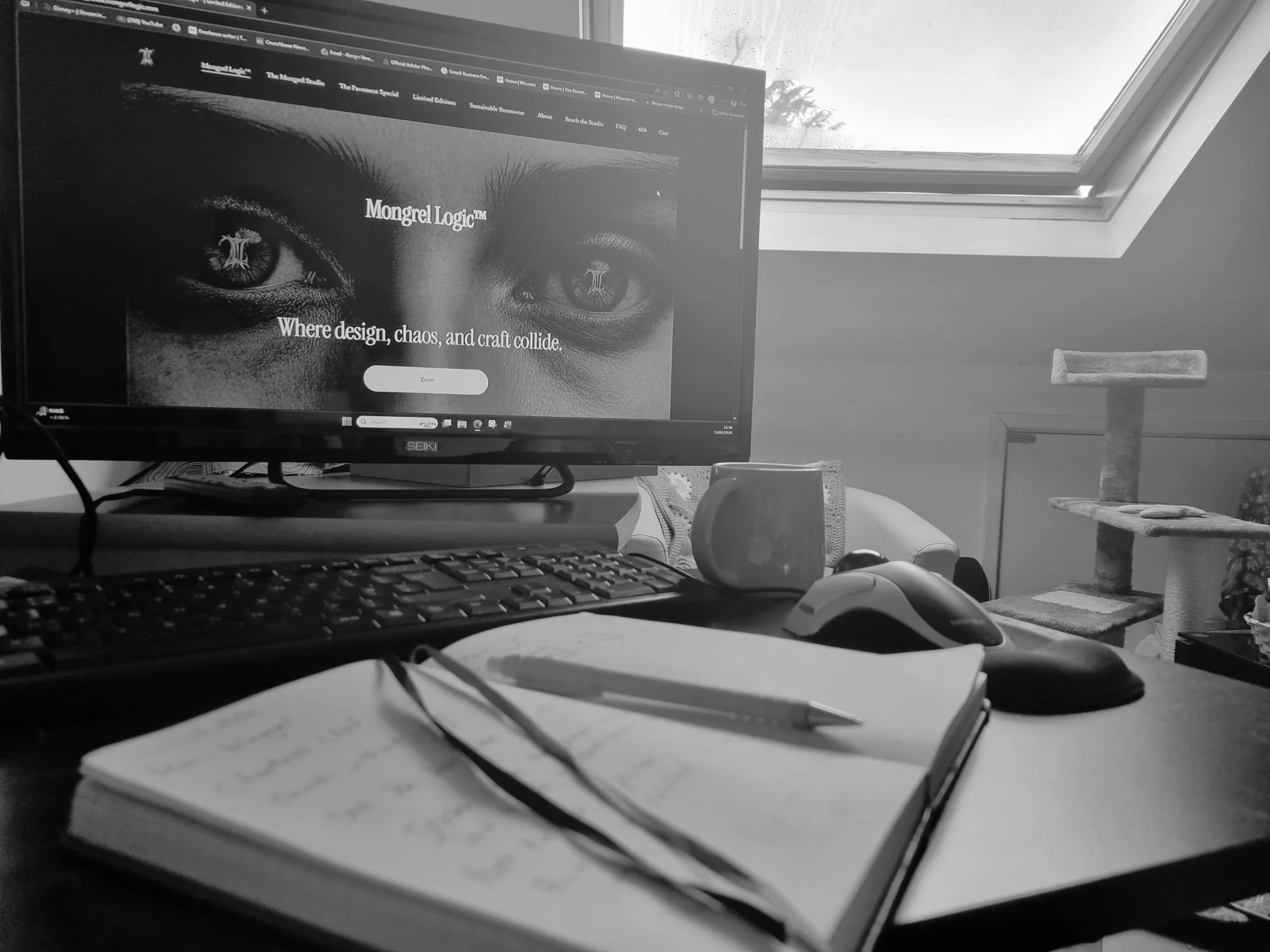
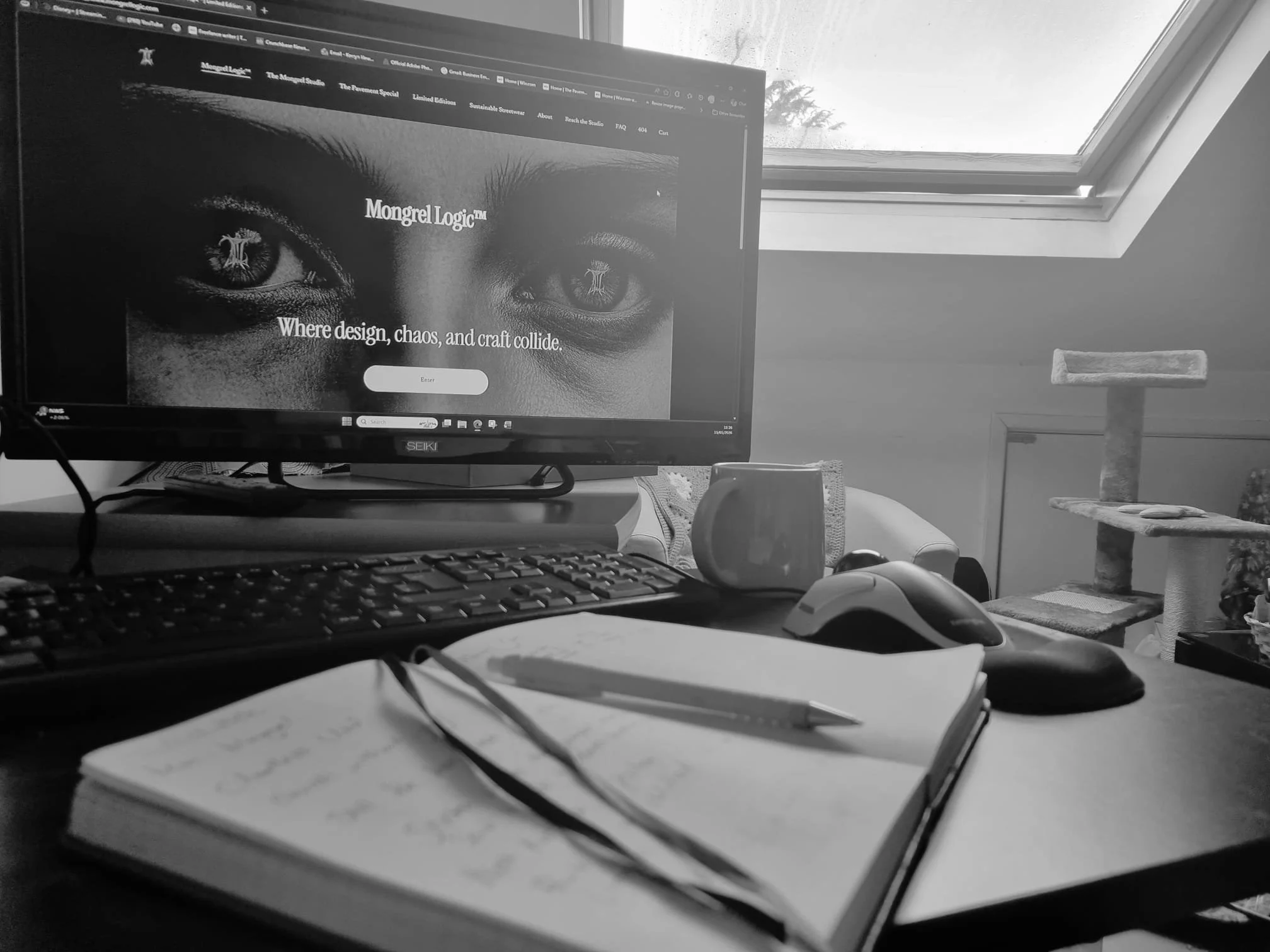
Black and white photo of the studio desk.
This is what this has felt like.
In a good way…And now I have Dimmu Borgir stuck in my head.
Acrobatics aside…
(Carnival.) I forgot to put worms out for the birds. Ah well, tomorrow.
There is something freeing about being this early. No one’s watching, really. Which makes developing clarity a lot more fun because there is zero external pressure. Nothing breaks, you know?
That doesn’t mean that fuck-ups are never a threat.
I have sat here till 2am fixing errors, only to notice at 11am, that 2am is no time to bloody fix errors. But it does mean that it’s basically me, the dogs and the cat that know about it. Phew.
There is no time like now.
Most of the time now is spent removing, not adding. Which is strangely much harder to do. In practical terms. Less is more but knowing which less is less is much harder to do.
Circus Tent is up.
Oops swapped continents. But it’s fully erect. (Clears throat.)
Bally, bally, bally.
All this circus talk. Step right up. What’s inside?
Designing for Endurance.
Endurance isn’t a look. It’s a commitment. Designing for endurance means building under real constraints, material, human, economic and refusing to pass the cost on to someone else.
Timeless used to be a look that stood the test of time. A quality piece that survived seasons because it outlived its moment. That definition no longer holds.
The quality no longer holds, and the silhouette has gone from timeless to time stamped.
Endurance is practical, not poetic.
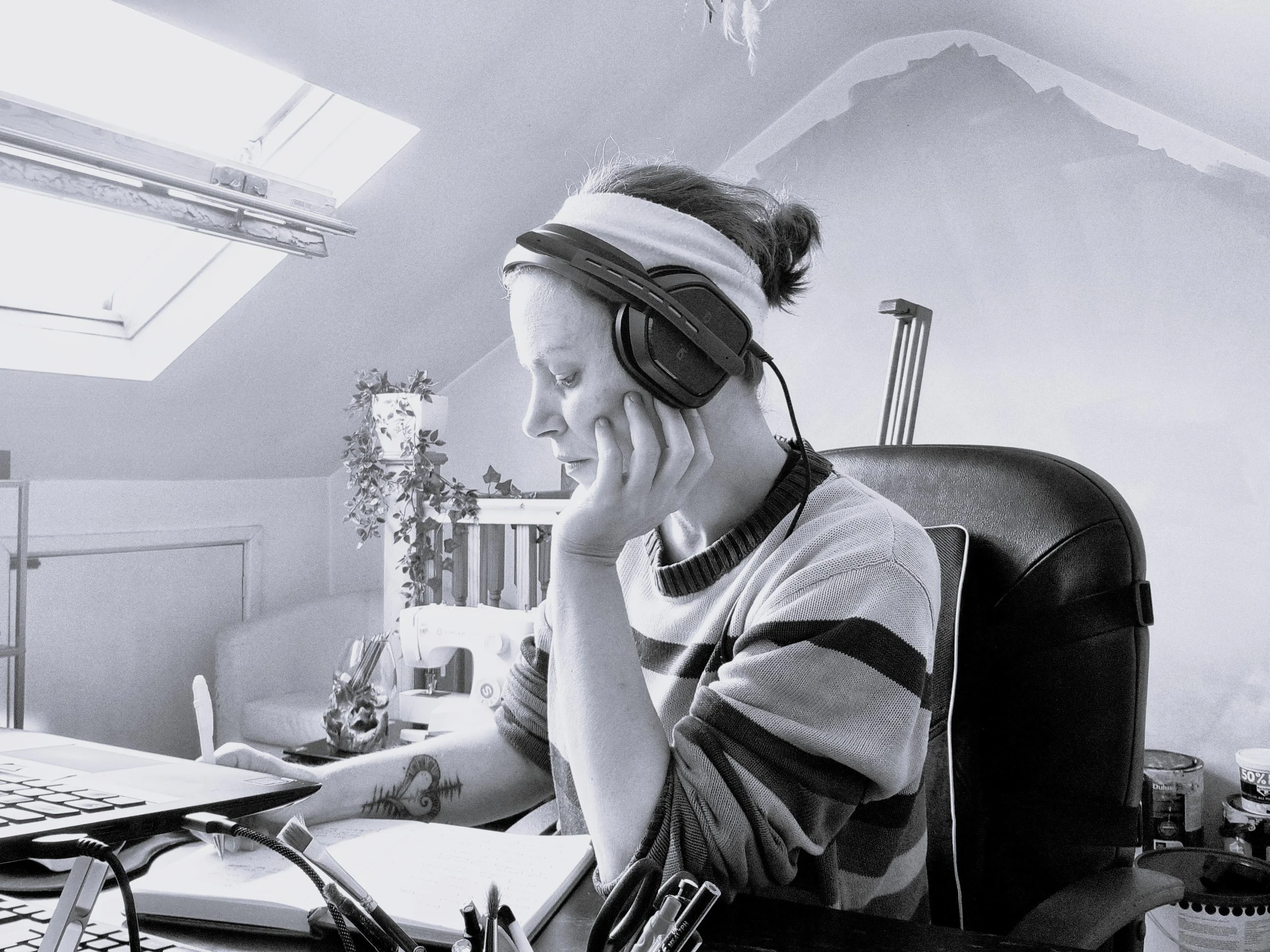
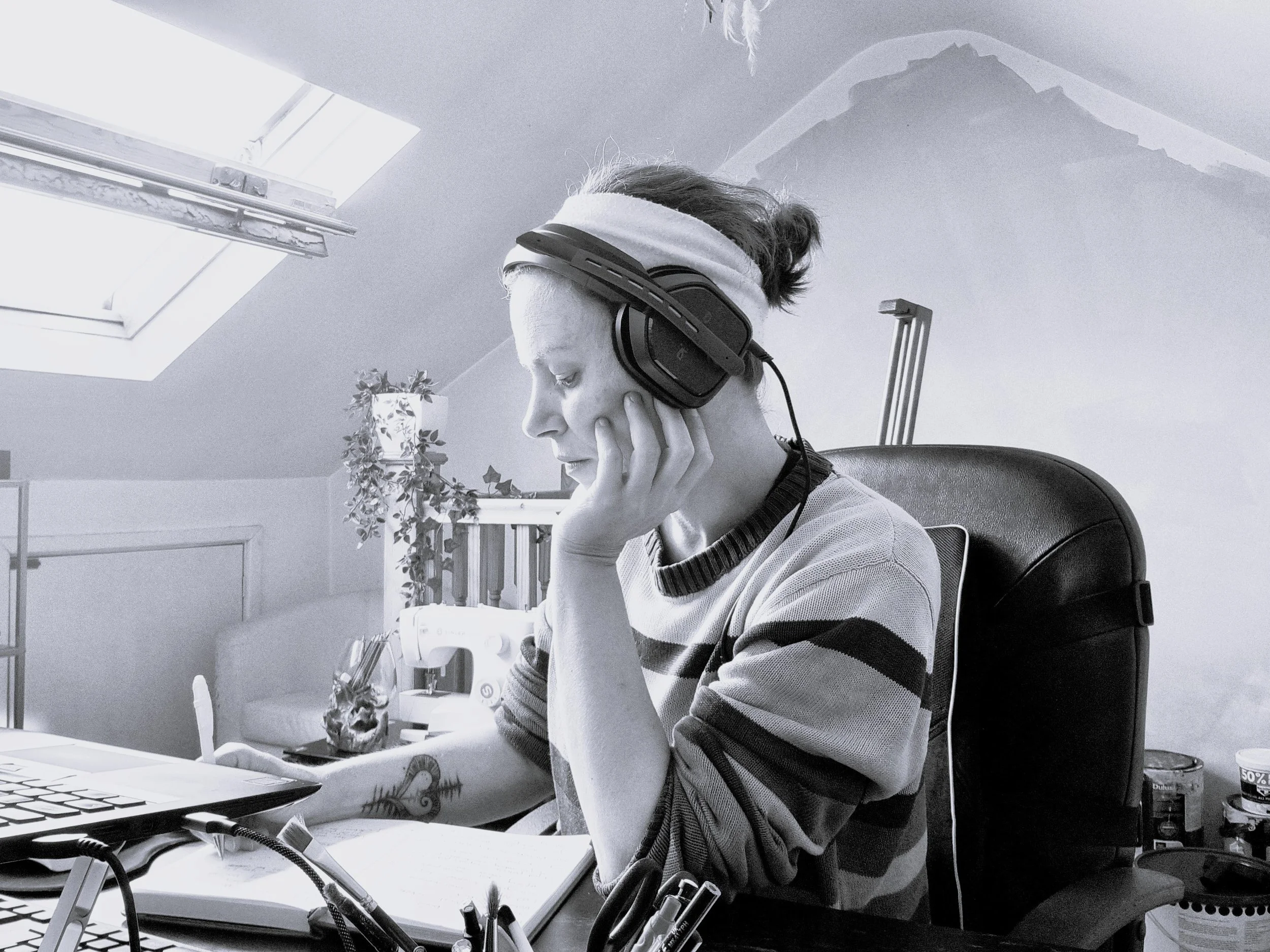
Founder working at desk
Designing for endurance begins when you accept reality as the client. Use, time, money, labour and consequence. It shows up in stitching that doesn’t come undone, zips that don’t fail. And it extends beyond the object to the grower, picker, maker; if you’re forced to undercut yourself to remain viable, that fragility is built into the product from the start. Calling something sustainable doesn’t correct that. Paying properly does.
Endurance forces business change.
Most design avoids endurance because it forces long term thinking and costs short term gains. Designing for endurance means not offloading these questions onto the customer. It means building systems through aftercare, design and partnership, where responsibility remains with the maker. Where products can be returned, reused, recycled or passed on without becoming someone else’s problem. Where a product can become an heirloom rather than landfill. This way of working doesn’t fit neatly into traditional business expectations. It doesn't align well (yet) with shareholder pressure or growth that depends on constant replacement. That friction isn’t accidental, it’s the point.
Endurance changes the customer relationship.
Not through constant novelty, but through trust. Inviting return not just to buy but to see what has been built next. Through meaning, innovation, and designs that aren’t shaped by hype but instead carry weight, story, ethos and credibility. Ultimately, it’s about responsibility. About refusing artificial exclusivity. And not treating the customer like a cash cow or dishonouring their custom.
Endurance is non-negotiable.
Designing for endurance is not a claim of purity or perfection. It’s a commitment to build under real constraints, economic, material, human and to redefine those choices and the consequences. Redesigning them so there is meaning and reward instead. Selling products that aren’t a lie. That thinking is already being tested in what we’re building now, under real constraints.
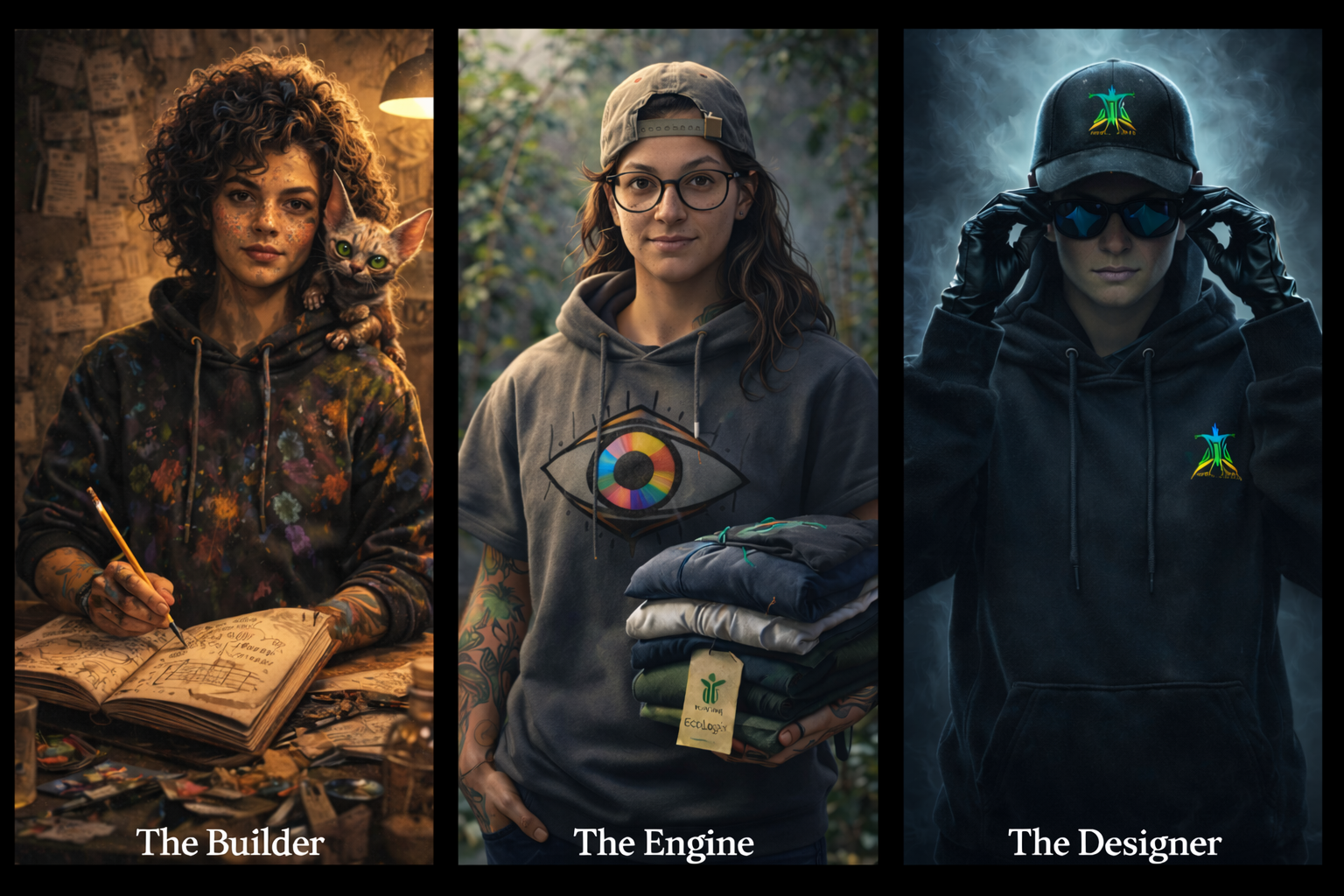
Verbal bondage and visual systems.
Naming the work while building it: three characters, a new visual system, and the first time the whole thing can breathe.
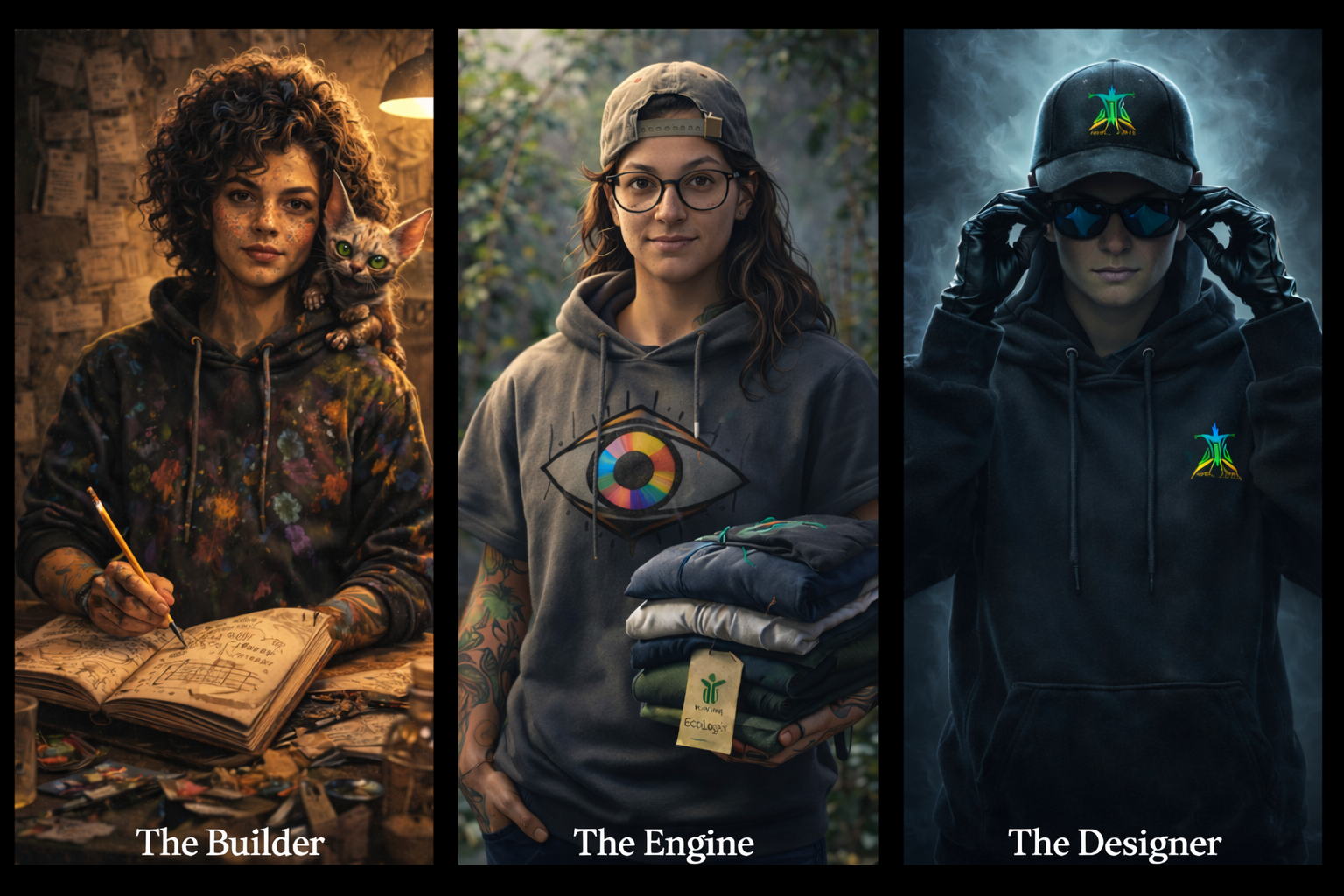
AI visual showing the three characters to Mongrel Logic, a small part of the process of developing our visual system.
The tiny problem when you build like I do is the language evolution as I progress. I’ve changed the website more than I have changed outfits this year.
Defining what hasn’t been defined.
Learning how to talk about the three characters I inhabit in this world has been extremely challenging. Every time I refine even the smallest phrase, the knock-on effect of clarity in one area means a complete rewrite in another.
It’s ok, I won in the end.
I have emerged from the wilderness of my own mind, covered in moss, dirt and ichor. But I think I might have finally moulded all these things into one coherent, cohesive story that finally has its visual shit together.
The evidence of our evolution is here for all to see.
I don’t mind that. At all, actually. I have built this from scratch. Whether it’s finding identity in wording, or arguing with myself over flat felled seems and GSM, pattern makers, choosing our manufacturers for the limited editions; it’s been one hell of a journey to be able to stand here next to a thing that looks like a thing. The beginnings of a thing. A ‘th’ if you will.
Mongrel Logic has found its stride.
Which is good because I walk fast. I have not stopped in months. The tiniest bit of wording on the website, image, description, product seen and the coming soon limited-edition range is all occupying my head. All trying to find its mark.
It took a minute, but this is the first time it’s felt like it can breathe.
There is much more coming. And so much more to do. I’ve just finalised a visual identity system. And our next hoodie design is under construction. I’ve just finished rewriting the website again, and for the first time, I think I have a plan for our socials. The AI image above was part of that journey, trying to articulate the three characters of my business. I needed a visual way to help me delineate language and this helped quite a bit.