

Designing for Endurance.
Timeless used to be a look that stood the test of time. A quality piece that survived seasons because it outlived its moment. That definition no longer holds.
The quality no longer holds, and the silhouette has gone from timeless to time stamped.
Endurance is practical, not poetic.
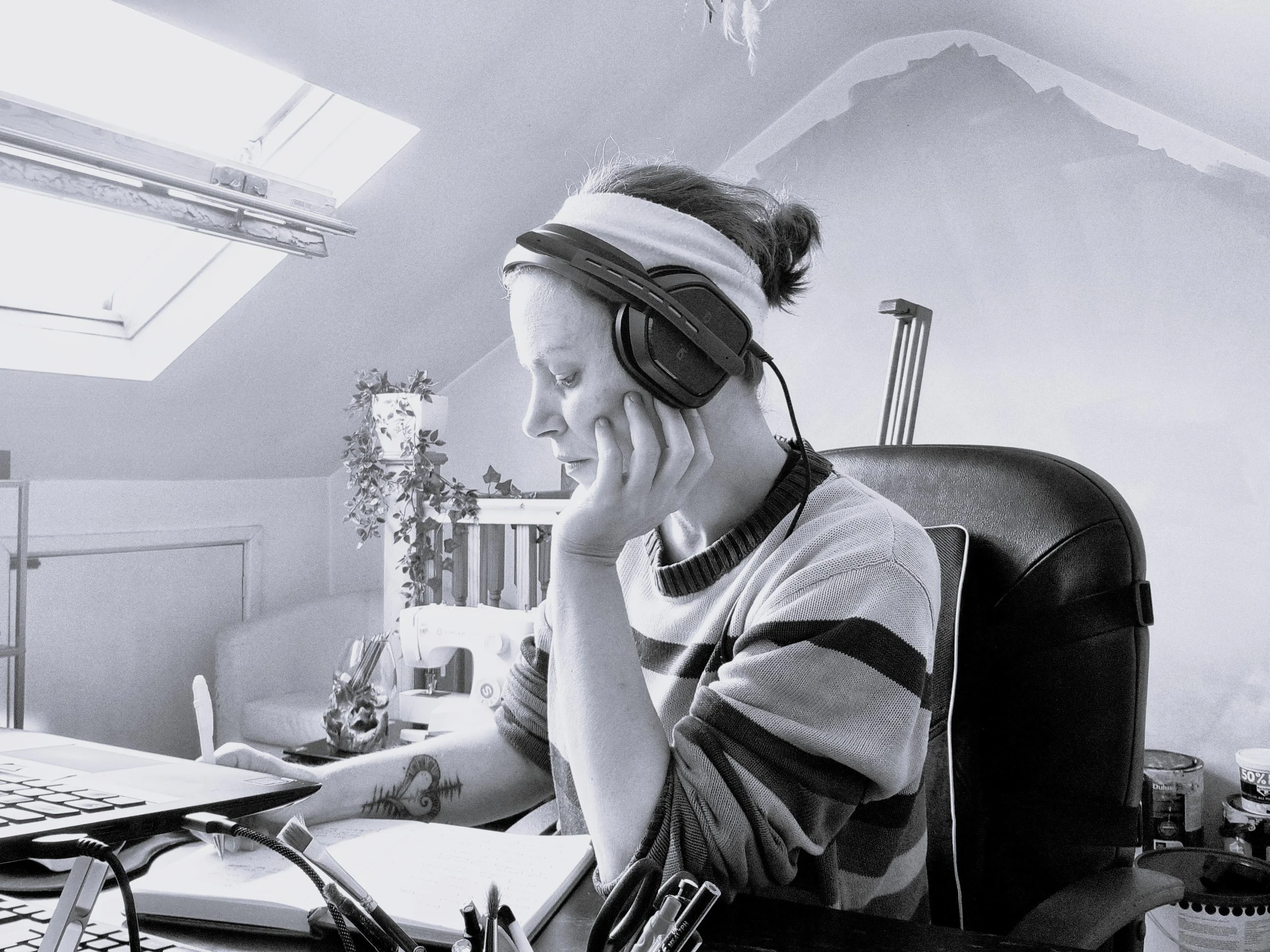
Founder working at desk
Designing for endurance begins when you accept reality as the client. Use, time, money, labour and consequence. It shows up in stitching that doesn’t come undone, zips that don’t fail. And it extends beyond the object to the grower, picker, maker; if you’re forced to undercut yourself to remain viable, that fragility is built into the product from the start. Calling something sustainable doesn’t correct that. Paying properly does.
Endurance forces business change.
Most design avoids endurance because it forces long term thinking and costs short term gains. Designing for endurance means not offloading these questions onto the customer. It means building systems through aftercare, design and partnership, where responsibility remains with the maker. Where products can be returned, reused, recycled or passed on without becoming someone else’s problem. Where a product can become an heirloom rather than landfill. This way of working doesn’t fit neatly into traditional business expectations. It doesn't align well (yet) with shareholder pressure or growth that depends on constant replacement. That friction isn’t accidental, it’s the point.
Endurance changes the customer relationship.
Not through constant novelty, but through trust. Inviting return not just to buy but to see what has been built next. Through meaning, innovation, and designs that aren’t shaped by hype but instead carry weight, story, ethos and credibility. Ultimately, it’s about responsibility. About refusing artificial exclusivity. And not treating the customer like a cash cow or dishonouring their custom.
Endurance is non-negotiable.
Designing for endurance is not a claim of purity or perfection. It’s a commitment to build under real constraints, economic, material, human and to redefine those choices and the consequences. Redesigning them so there is meaning and reward instead. Selling products that aren’t a lie. That thinking is already being tested in what we’re building now, under real constraints.
