

The Problem With Circularity
Circularity sounds simple until you look closer. Textile waste, fast fashion, affordability and regulation are all pulling in different directions. Nobody has solved this yet.
We produce 92 million tonnes of textile waste globally per year, with projections rising further by 2030.
Circular fashion has a long way to go.
Voluntary schemes like Remill, has recovered over 100 tons of clothing in the first two years of opening the scheme to all brands.
This is why we don’t have a branded logo tag. So that you can recycle your tee or hoodie.
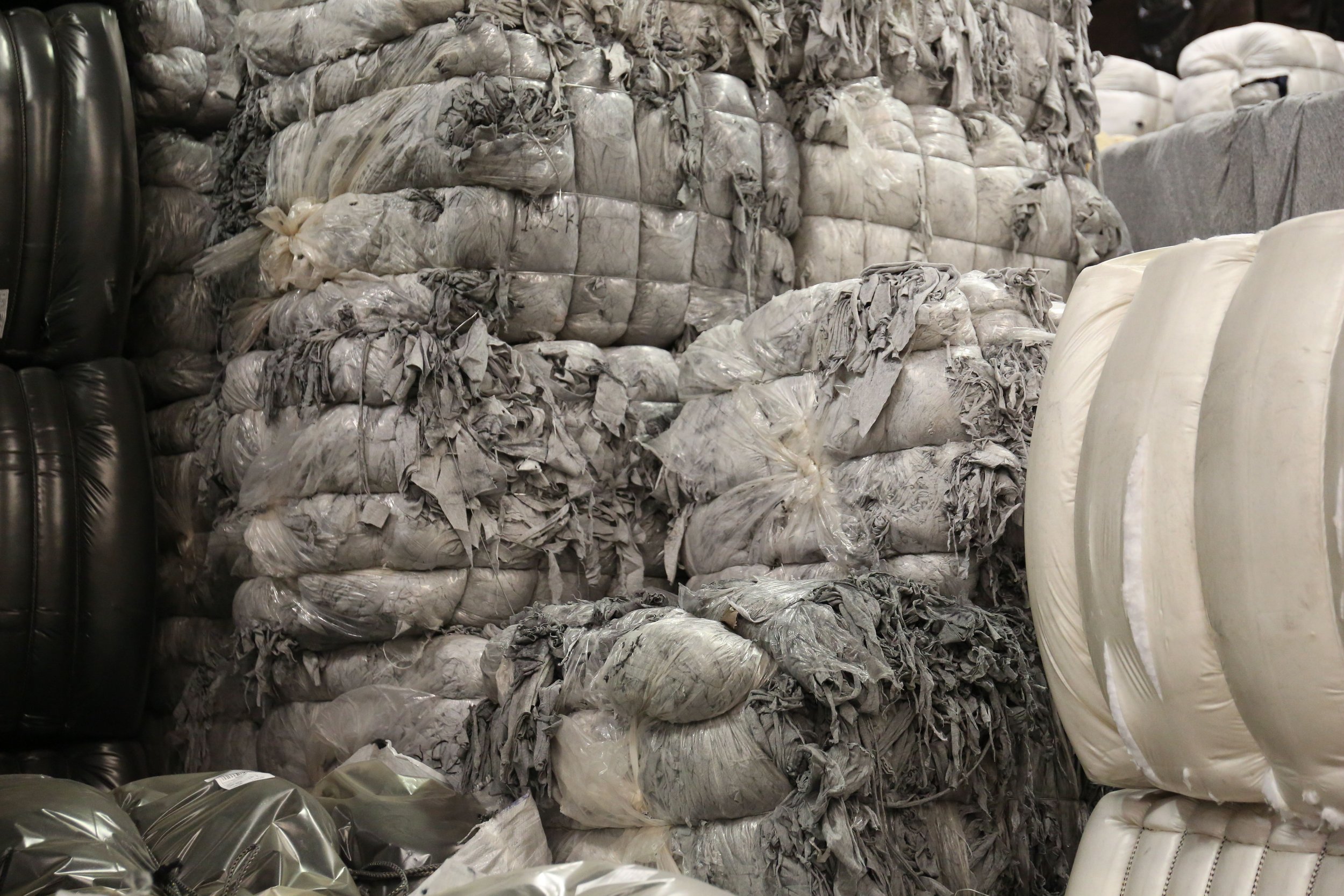
This is what recycled fashion looks like. Recovered, prepared for remanufacturing.
Asking people to change behaviour
I don’t think this is impossible, we do it all the time. Asking businesses to change, that’s another thing altogether.
Some fast-fashion retailers (you know who) add thousands of new products every day.
Which has been designed for speed, scale and profit rather than longevity, repairability or what happens once it's out in the world.
With fast fashion being increasingly the affordable choice, this is only going to get worse.
Poverty and Sustainability are linked
This is a tough one.
People living with fewer resources are often forced into behaviours that look sustainable from the outside. Having fewer options available isn’t the same thing as sustainability.
Being able to make ‘conscious choices’ is a privilege.
It shouldn’t have to be.
Does building circularity into a streetwear ARG help?
I don’t know yet. Is it going to help solve the worlds problems, probably not.
I’m bothered when business push recycling issues downstream, but in this case, downstream is where the t-shirt is.
People do need to be more invested in what they buy, how often they buy, which brands they support.
I don't know how you resolve these two conflicts.
Will change be regulated?
Many countries are developing textile waste regulations, but much of the sector still relies on voluntary participation.
Regulations are coming, but slowly.
How can a game fix this?
Well, that remains to be seen.
But if we are going to ask people to participate, then surely, we need to build something better. Not more expensive. Just with more meaning.
Not saying I’ve solved that.
Cash for recycled bottles (and t-shirts😉) aside.
Which I’m down for. But, we need so much more. Nobody has solved this yet.
I’m trying.
What does 340gsm mean?
What does 340gsm actually mean in a hoodie? We break down fabric weight, durability, and why heavier cotton matters if you want clothes that last.
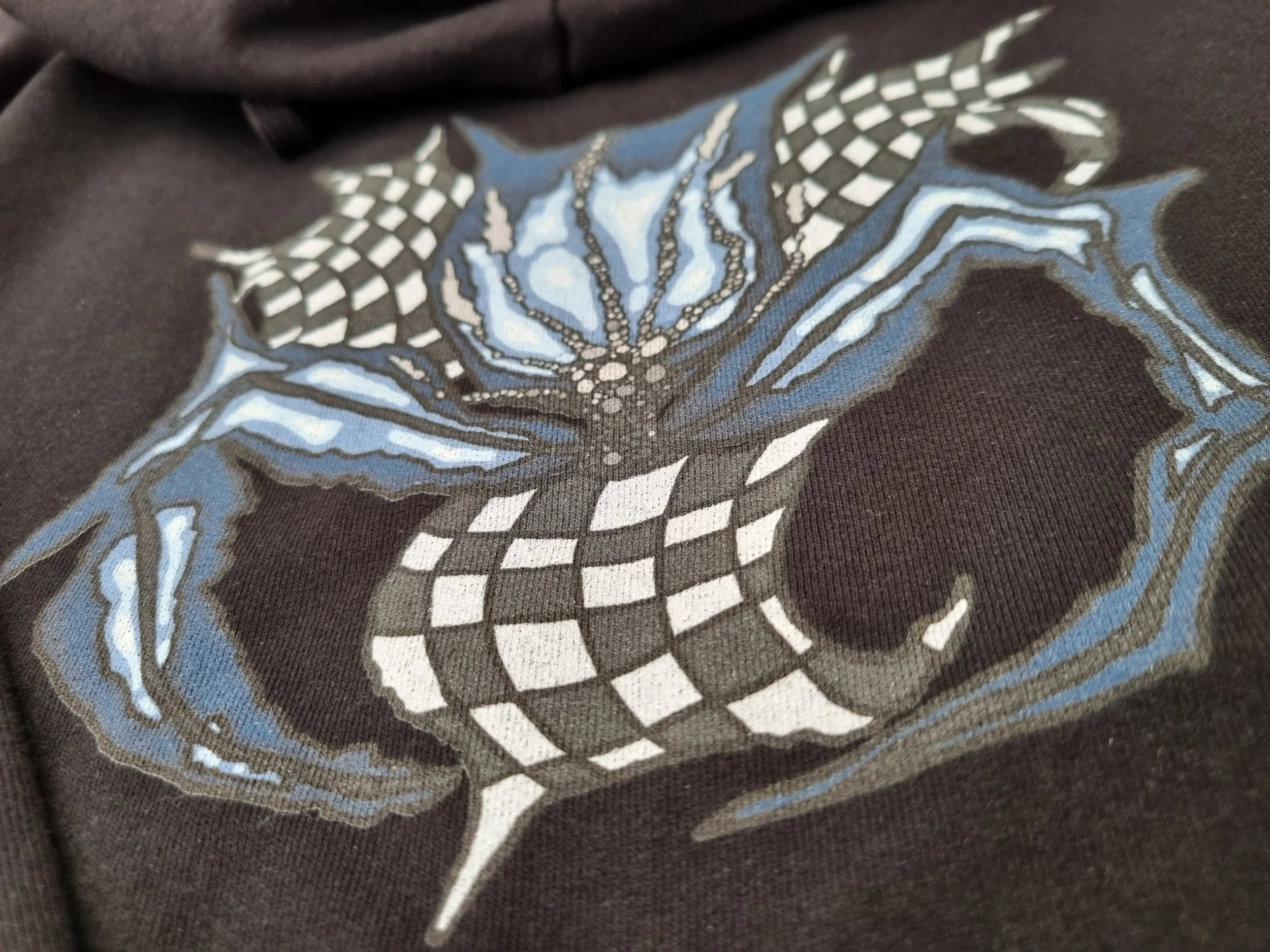
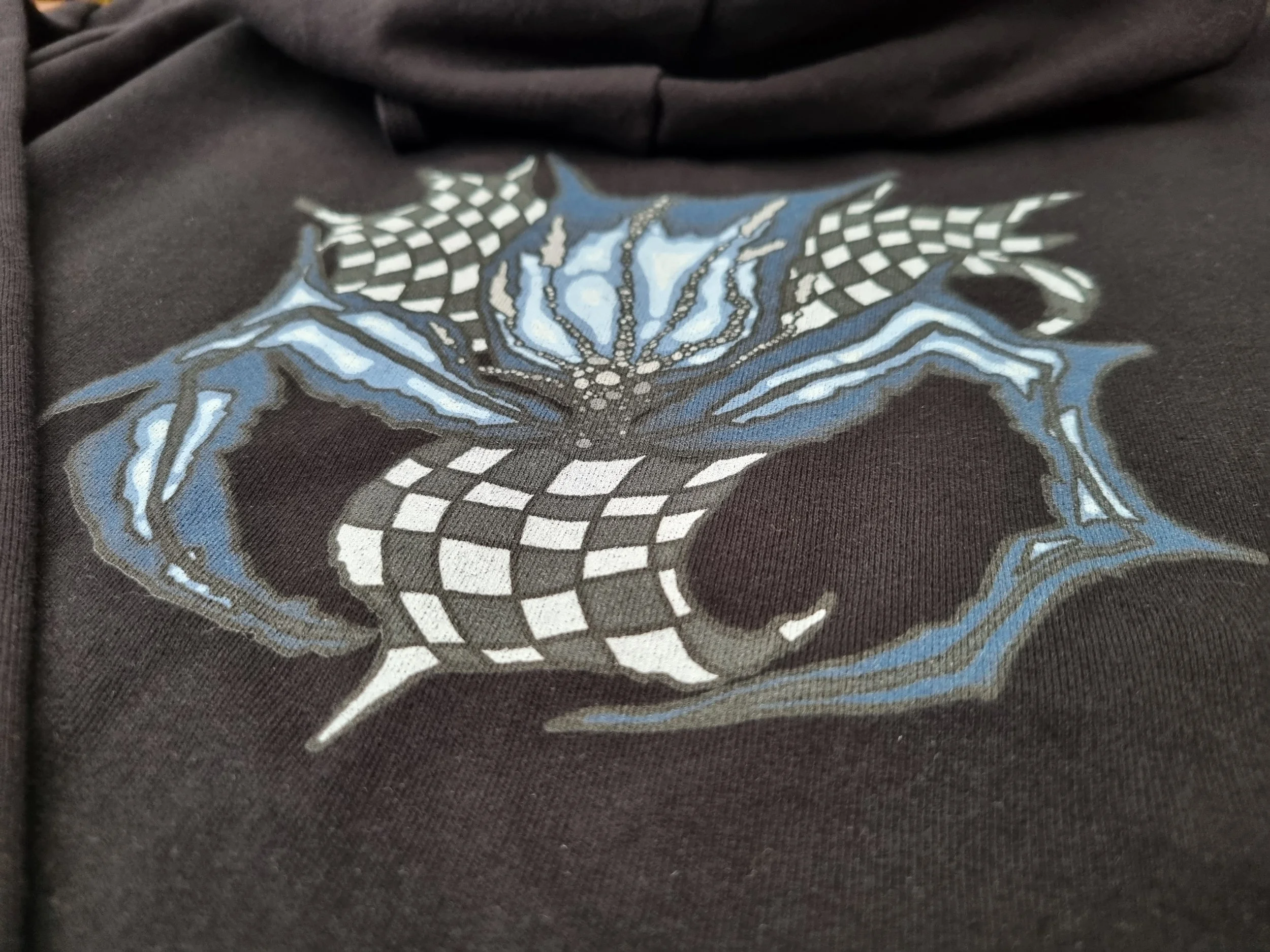
Close-up macro of 340gsm organic cotton hoodie fabric showing dense weave and structure, featuring Lilith’s Corsage.
GSM stands for grams per meter. It’s a measure of fabric weight.
The higher the number, the denser and heavier the fabric.
Is higher GSM better?
Not always. If you wore a 340gsm t-shirt in summer, you would melt.
Durability isn’t just about weight. It’s about construction, fibre quality, and how a garment is put together. But weight matters
Why 340gsm?
340gsm sits at the heavy end of everyday wear. It resists thinning at stress points, it holds its shape, it feels structured, it survives life and washing cycles.
Our 340gsm hoodies and sweaters are made from 50% recycled organic cotton and 50% organic cotton. Recycled cotton reduces waste input; organic cotton reduces chemical load.
Sustainability without durability is theatre.
Whether it’s a day-old button up that’s buttons have come off, or a sweater twists and thins and is unusable in 6 months, circularity doesn’t matter. Longevity comes first.
Why doesn’t everyone talk about gsm?
You don’t really need to. If something feels good enough, that’s usually enough. I care because everything in my cupboard that has been made with consideration, particularly organic cotton, I still have, so many decades later. A sweater that is as good now, as it was in 2012.
I want my clothes to live with me.
Like finding something at the back of a cupboard years later and it still feels epic.
We can do better than garments that fade or break after one wash.
It matters.