

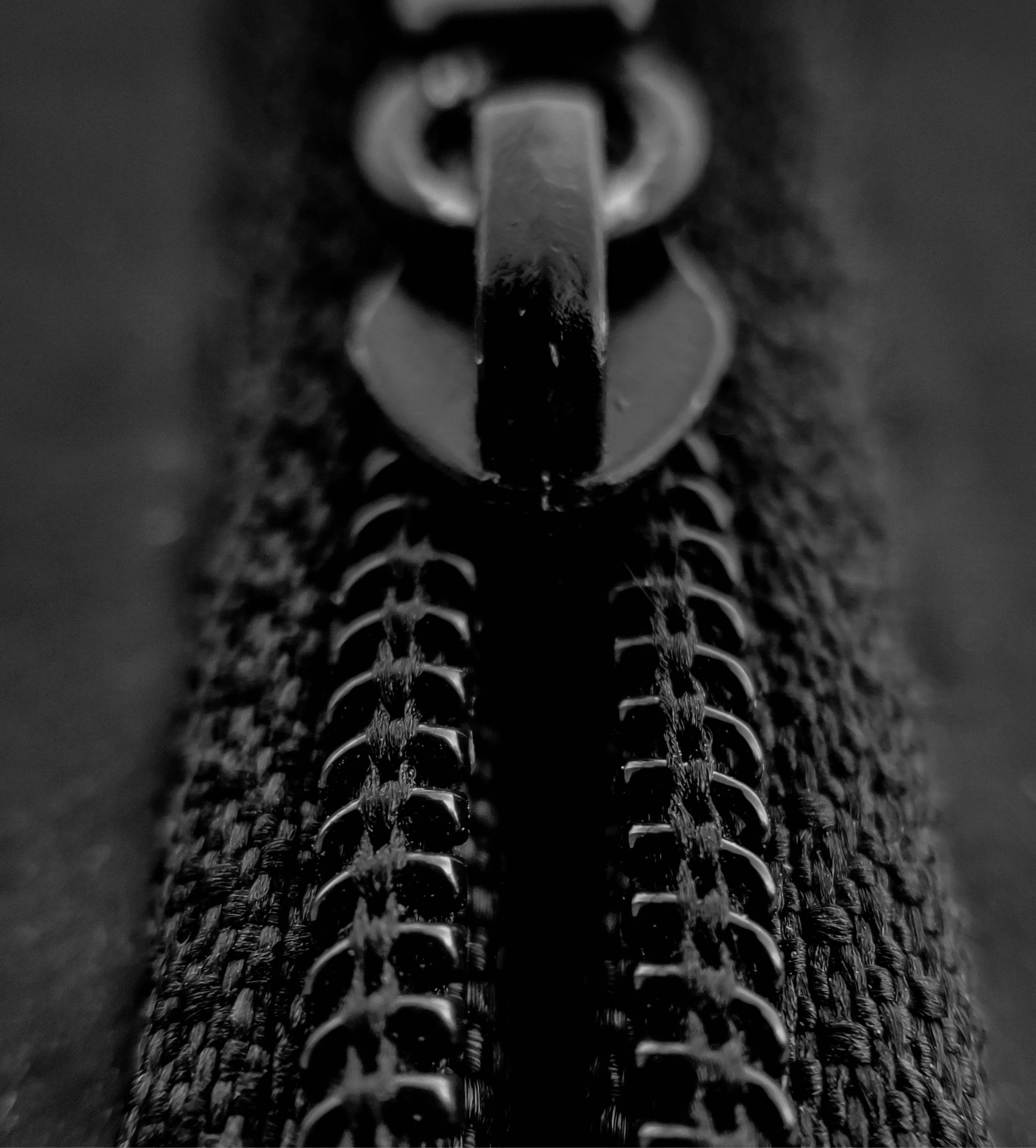
The draughty neck
Zip it all the way up and you've still got an inch of neck to the wind. A quick one about design shortcuts, zips that fail in month one, and what building for lifetime wear actually looks like from the inside.
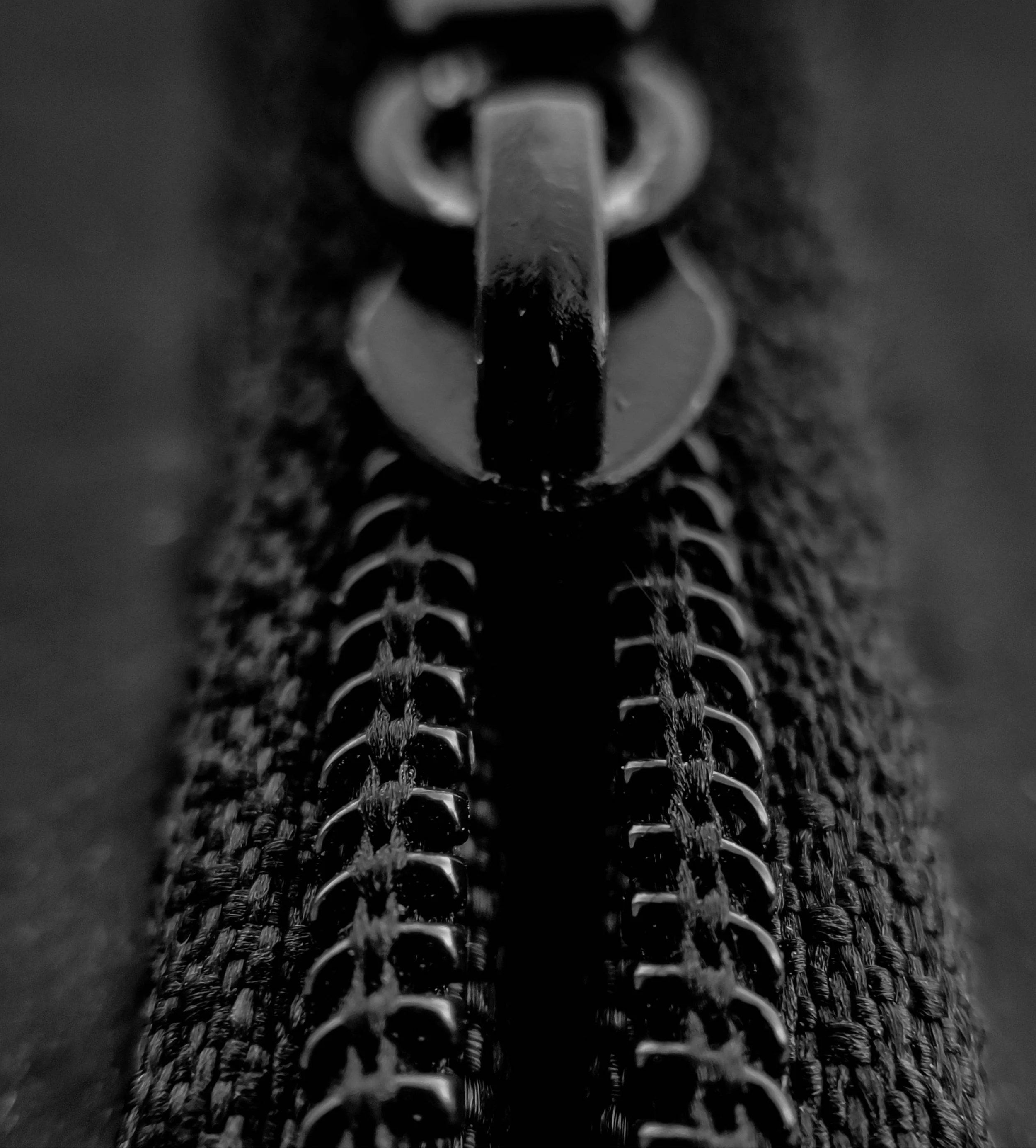
How many times can you zip before it fails?
I'm obsessing about necks. Hoodies specifically. It's still cold, summer is theoretical at best, and I've been staring at a zip that stops at the collarbone.
That's right. Zip it all the way up and you've still got an inch of neck to the wind. Design shortcut, plain and simple.
Zip’s that fail in month one
I've owned garments that are ancient. The zip still works perfectly. I've owned branded hoodies, and no-name, but branded hurts- selling you hype and tribe hoodies where the zip gave up before the first month was out.
It's easy to fake quality on the hanger. Before the third wash. Before the 50th zip. After that, you find out what you actually bought.
A zip upgrade adds cost per unit. A stitch density change adds cost per unit. These decisions get made, quietly, in favour of margin. The sale is what matters and it ends there.
I get it. Getting things made well is genuinely hard. The entire manufacturing industry is, from a structural perspective, substandard. That's not an excuse, it's the problem. It’s just how it’s done. This is changing, fast.
So, what do you do with that?
You research. Zips that don't fail exist- you’ll find them in mountain wear, for example. Who makes them, who tests them, are they compatible with the garments you're building.
And then you think about everything else. Colours that are kind to sweat. Care and repair. Spares for the parts that can't manage 25 years. A 14-year-old People Tree (RIP) sweater in my cupboard with fraying sleeves tells me organic cotton can go the distance; the rest is just decisions.
That's what building for lifetime wear actually looks like from the inside. Whether it’s zips or fasteners, plastic or metal, recyclable or not, all these designs effect the cost and profit outcomes, do I believe it is possible for Mongrel Logic to change the world in this regard? No, I’m not that naïve. But I am determined to try anyway. Now if you’ll excuse me, I need to go change my underpants.
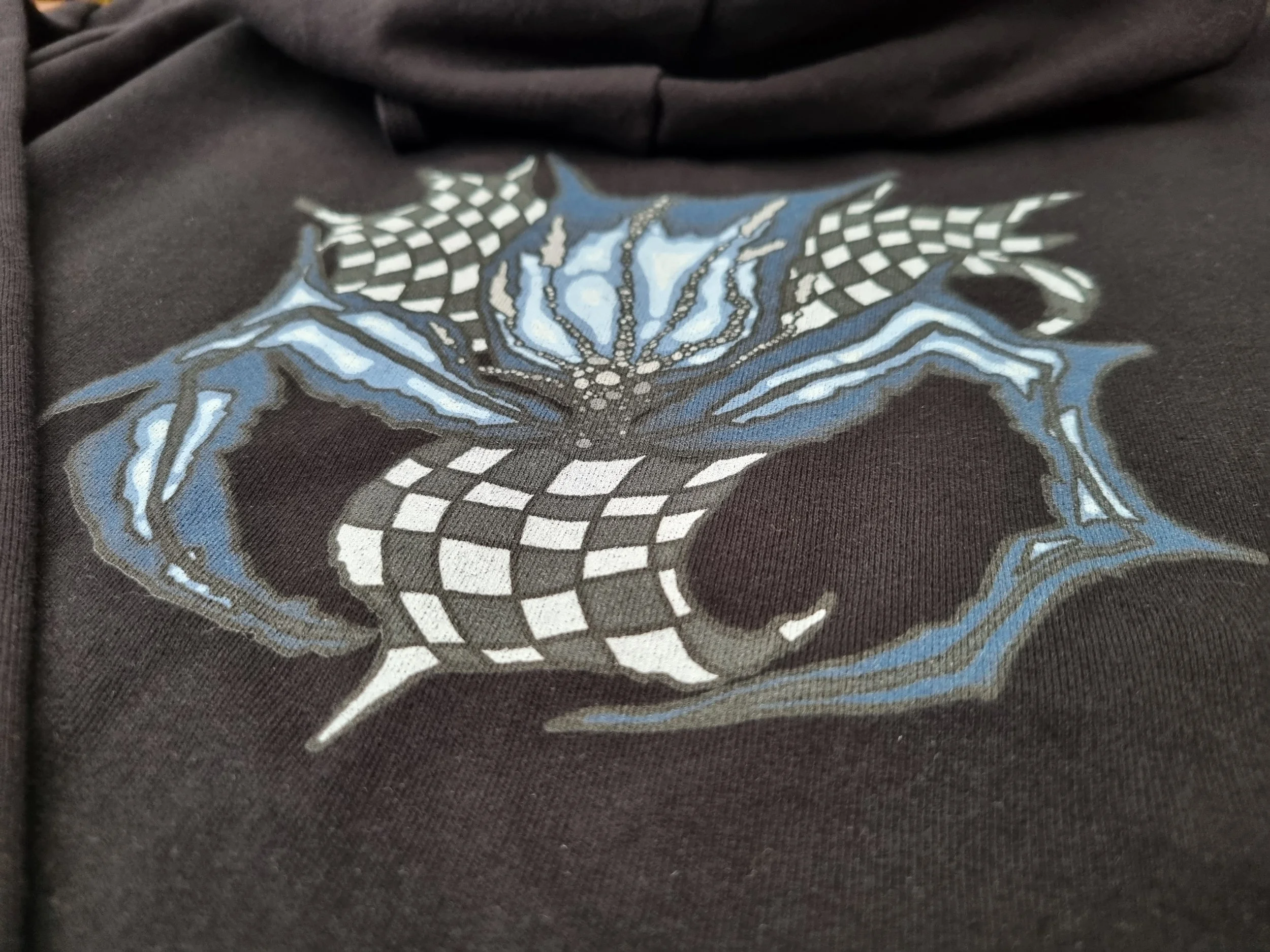
What does 340gsm mean?
What does 340gsm actually mean in a hoodie? We break down fabric weight, durability, and why heavier cotton matters if you want clothes that last.
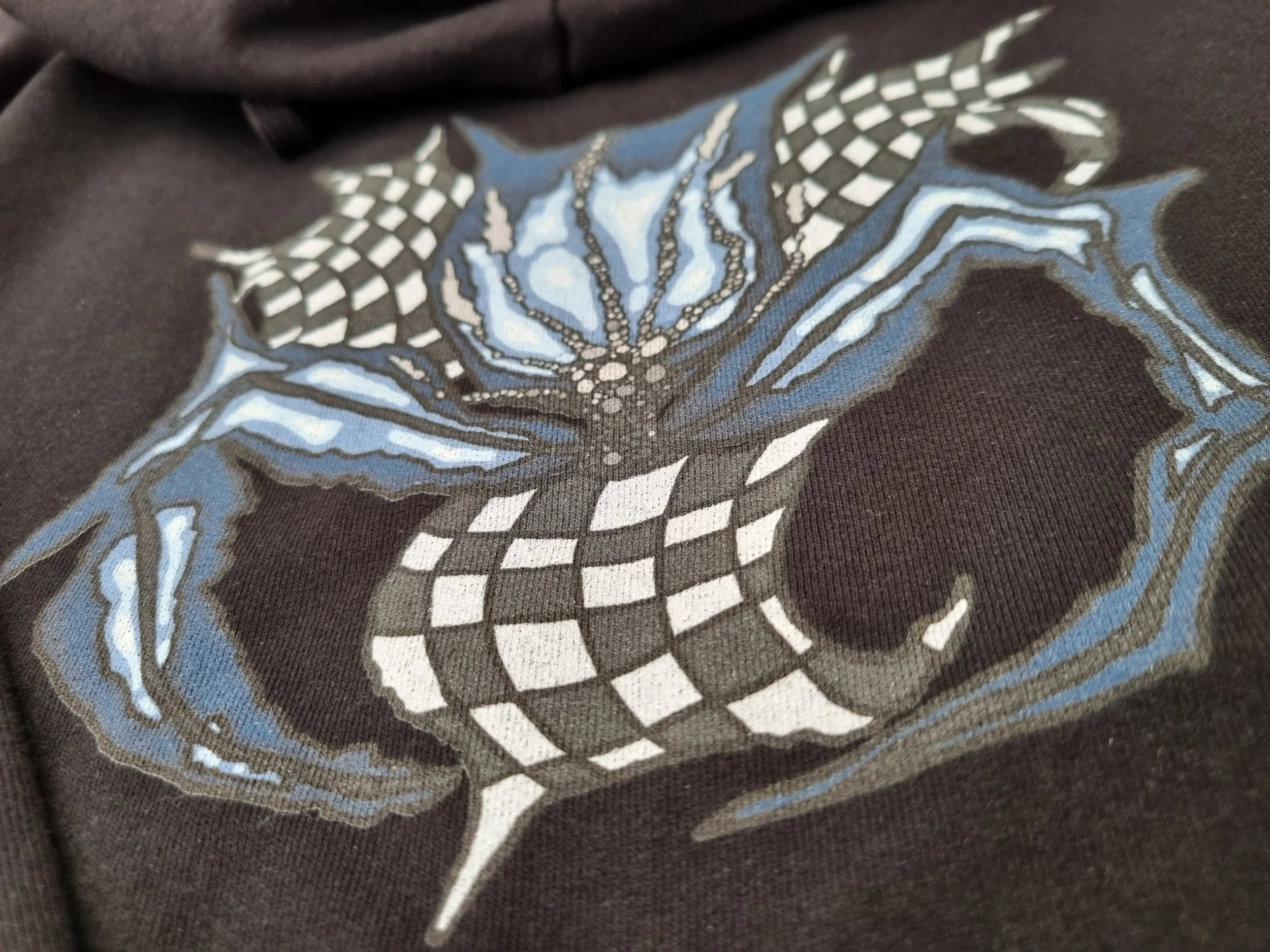
Close-up macro of 340gsm organic cotton hoodie fabric showing dense weave and structure, featuring Lilith’s Corsage.
GSM stands for grams per meter. It’s a measure of fabric weight.
The higher the number, the denser and heavier the fabric.
Is higher GSM better?
Not always. If you wore a 340gsm t-shirt in summer, you would melt.
Durability isn’t just about weight. It’s about construction, fibre quality, and how a garment is put together. But weight matters
Why 340gsm?
340gsm sits at the heavy end of everyday wear. It resists thinning at stress points, it holds its shape, it feels structured, it survives life and washing cycles.
Our 340gsm hoodies and sweaters are made from 50% recycled organic cotton and 50% organic cotton. Recycled cotton reduces waste input; organic cotton reduces chemical load.
Sustainability without durability is theatre.
Whether it’s a day-old button up that’s buttons have come off, or a sweater twists and thins and is unusable in 6 months, circularity doesn’t matter. Longevity comes first.
Why doesn’t everyone talk about gsm?
You don’t really need to. If something feels good enough, that’s usually enough. I care because everything in my cupboard that has been made with consideration, particularly organic cotton, I still have, so many decades later. A sweater that is as good now, as it was in 2012.
I want my clothes to live with me.
Like finding something at the back of a cupboard years later and it still feels epic.
We can do better than garments that fade or break after one wash.
It matters.