

The Civic Energy Skin
Mongrel Papers
MP 002
An open thought experiment.
This did not start with an engineering problem. It started with frustration.
What if every building quietly gave something back?
A native South African with family still on the continent, blackouts, water shortages and extreme heat have been part of everyday conversation for years. Our country is not alone.
Climate change is often positioned as an individual responsibility problem. That could be true if people could simply choose between solar, wind or gas each morning. Or simply choose to buy an electric vehicle.
The vast majority cannot.
They don't choose how their electricity is generated, how buildings are constructed, or how cities distribute power. Yet much of the responsibility is placed on individuals living within systems they didn't design.
Our current systems are backwards.
The Civic Energy Skin began as an attempt to ask a different question.
What if the infrastructure itself became part of the solution?
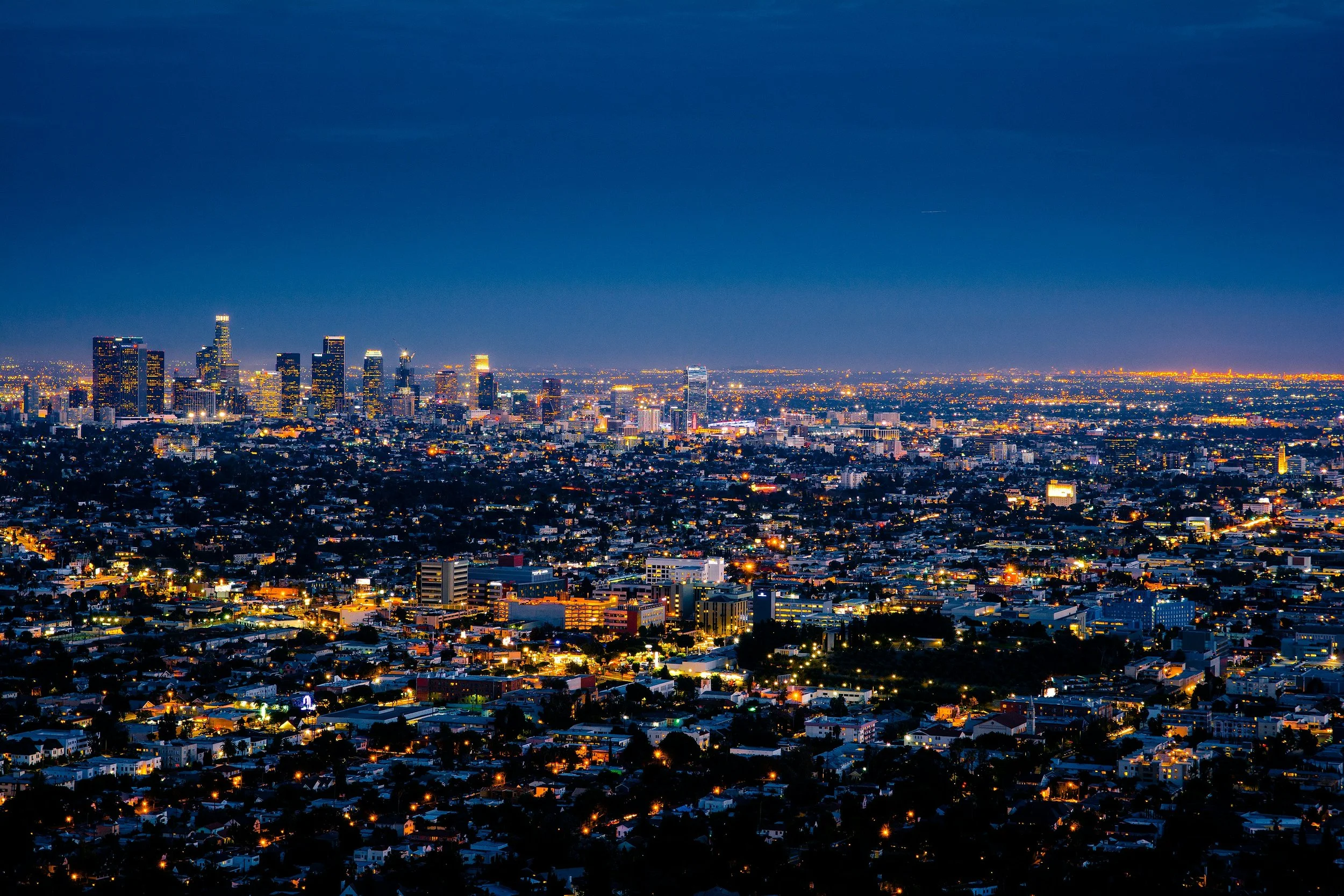
Night skyline showing thousands of buildings and urban infrastructure, illustrating the potential scale of passive energy generation across cities.
Instead of expecting every household to become its own power station, could buildings quietly contribute simply by existing?
Could walls harvest thermal differences? Could flowing water recover small amounts of energy?
Could surfaces already exposed to sunlight become passive contributors?
None of these ideas are likely to replace conventional power generation on their own.
That isn't the point.
The point is that cities contain billions of passive surfaces that currently do nothing.
Individually, their contribution may be small.
Collectively, they become worth investigating.
The Civic Energy Skin is the name I've given to that line of thinking.
Building-integrated photovoltaics already demonstrate that buildings can contribute to energy generation. Other technologies continue to explore waste heat recovery, thermoelectric materials, and passive energy harvesting.
The Civic Energy Skin asks whether there is still untapped potential in the infrastructure we already build, and whether those systems might quietly contribute more than they do today.
Some ideas explored here may prove impractical.
A few already exist in different forms and others may evolve into something entirely different.
That's the purpose of publishing this paper.
To ask better questions.
Version 1.0
Where new evidence, observations and collaborations emerge, this document may be updated.
Last revised:
June 2026
Keywords.
passive infrastructure
civic infrastructure
distributed energy
energy infrastructure
infrastructure design
passive energy generation
urban energy systems
micro energy generation
designing passive infrastructure
energy harvesting
system design
