

A live experiment in circular fashion.
Mongrel Papers
MP 001
A live experiment in circular fashion.
What if sustainability isn’t enough?
When I chose Teemill as our fulfilment service for the brand, it wasn't because I wanted to say we were circular. It was because their manufacturing model solved several problems at once.
It was the closest manufacturing system I could find to the way I already believed products should be made.
We already have remarkable innovation taking place in fashion. New waterproofing technologies designed with fewer harmful chemicals. Textiles made from algae, waste products and recycled fibres. Better manufacturing continues to emerge.
But none of those innovations answered the biggest question I had.
How do you make people care about recycling?
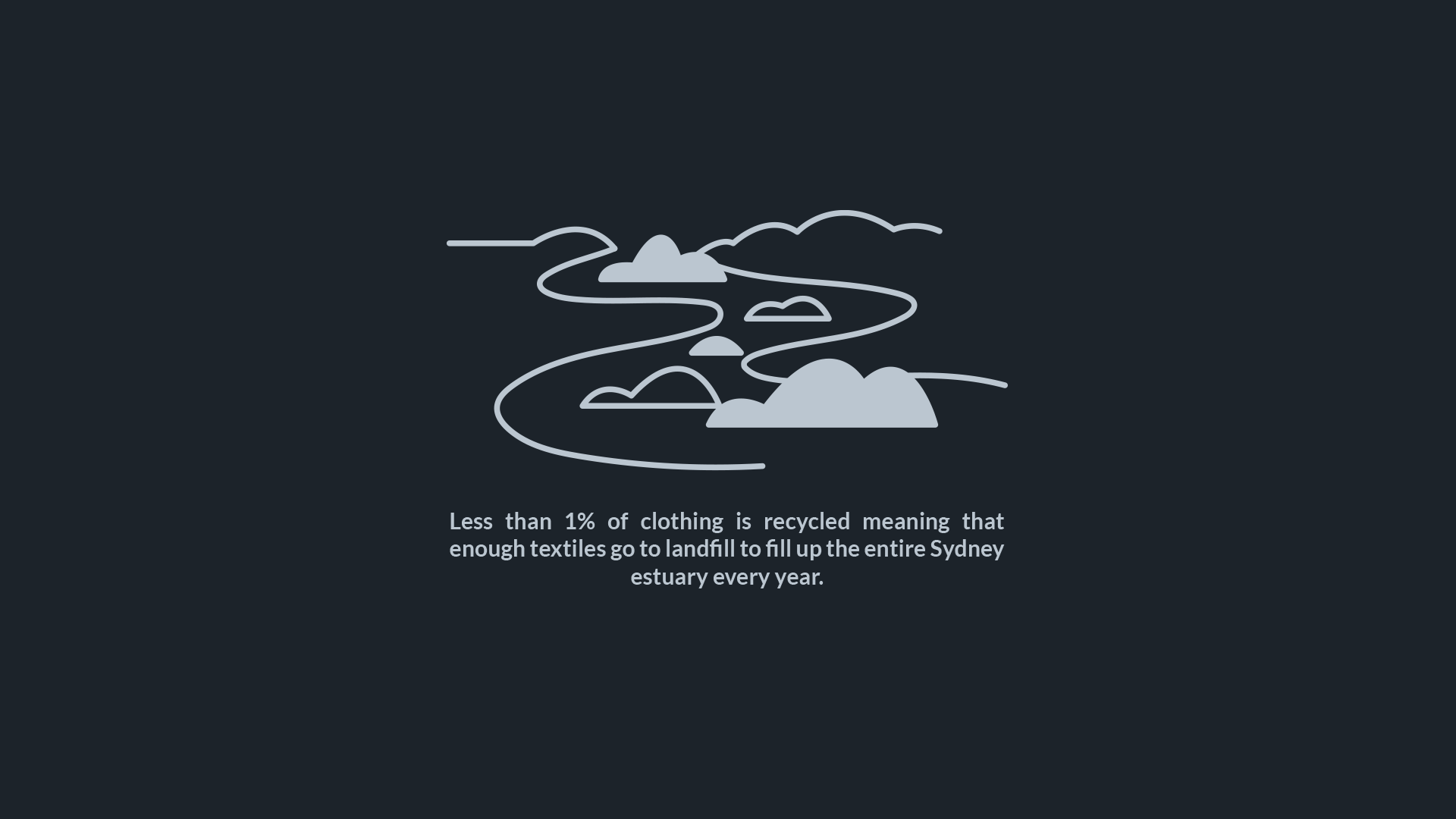
The challenge isn't only making recyclable clothing. It's designing systems people actually use.
In a world where most sustainability actions are pushed downstream to the consumer; recycle your plastic at home, fashion is a good example of when downstream is where the whole system falls down.
We’re not used to recycling our clothes. Circularity isn't a habit. It needs to become one. We need behavioural circularity.
We buy clothes, wear them, and eventually clear out a wardrobe. For generations that meant charity shops, second-hand markets and passing garments on.
Increasingly, however, fast fashion has changed that equation. Low-cost, low-quality garments have reduced resale value and contributed to growing volumes of textile waste.
I know from my own data that sustainable, organic, recyclable alone is messaging that lands in principle but not in practice.
The range I have developed, which is enabled through use of Teemill’s platform, is a live experiment in trying to answer that question.
What if clothes were a game you could play?
I'm not claiming to have solved fashion.
But I have built an authored cultural system expressed through garments.
Mongrel Logic blends graphic design, mythology, philosophy, sustainability and long-form storytelling into an evolving world called The Canis. The garments become artifacts. Returning them becomes part of the story rather than the end of it.
If people care about the world a garment belongs to, perhaps they'll care about what happens to that garment when they're finished with it.
That is the experiment.
Version 1.0
Where new evidence, observations and collaborations emerge, this document may be updated.
Last revised:
June 2026
Keywords
Circular fashion
Sustainable fashion
Garment recycling
Circular economy
Print on demand
Behavioural design
Worldbuilding
Mongrel Logic
