

The Ecodesign Regulation
The EU's Ecodesign Regulation marks a major shift towards circular products. As Digital Product Passports begin rolling out, here's why they matter for fashion, transparency and the future of sustainable design.
The Ecodesign Regulation is an EU framework designed to improve the sustainability and circularity of products throughout their lifecycle.
This week marked an important milestone. The Digital Product Passport infrastructure went live, with textiles identified as one of the EU's priority sectors.
Fashion is no longer later. It’s happening.
We built for this
It’s always been a priority for me to build something that was sustainable.
Our fabrics are made from 100% GOTS certified organic cotton. Our factories are powered by renewable energy.
Our dyeing process alone, is worth reading about, all garments are dyed in a closed loop system where water comes out clean enough to drink.
Using low-waste digital printing technology and water-based inks that conform to GOTS and Soil Association organic criteria is crucial to circularity. Our inks contain no animal-derived products and are not tested on animals.
And we print on demand, reducing overproduction.

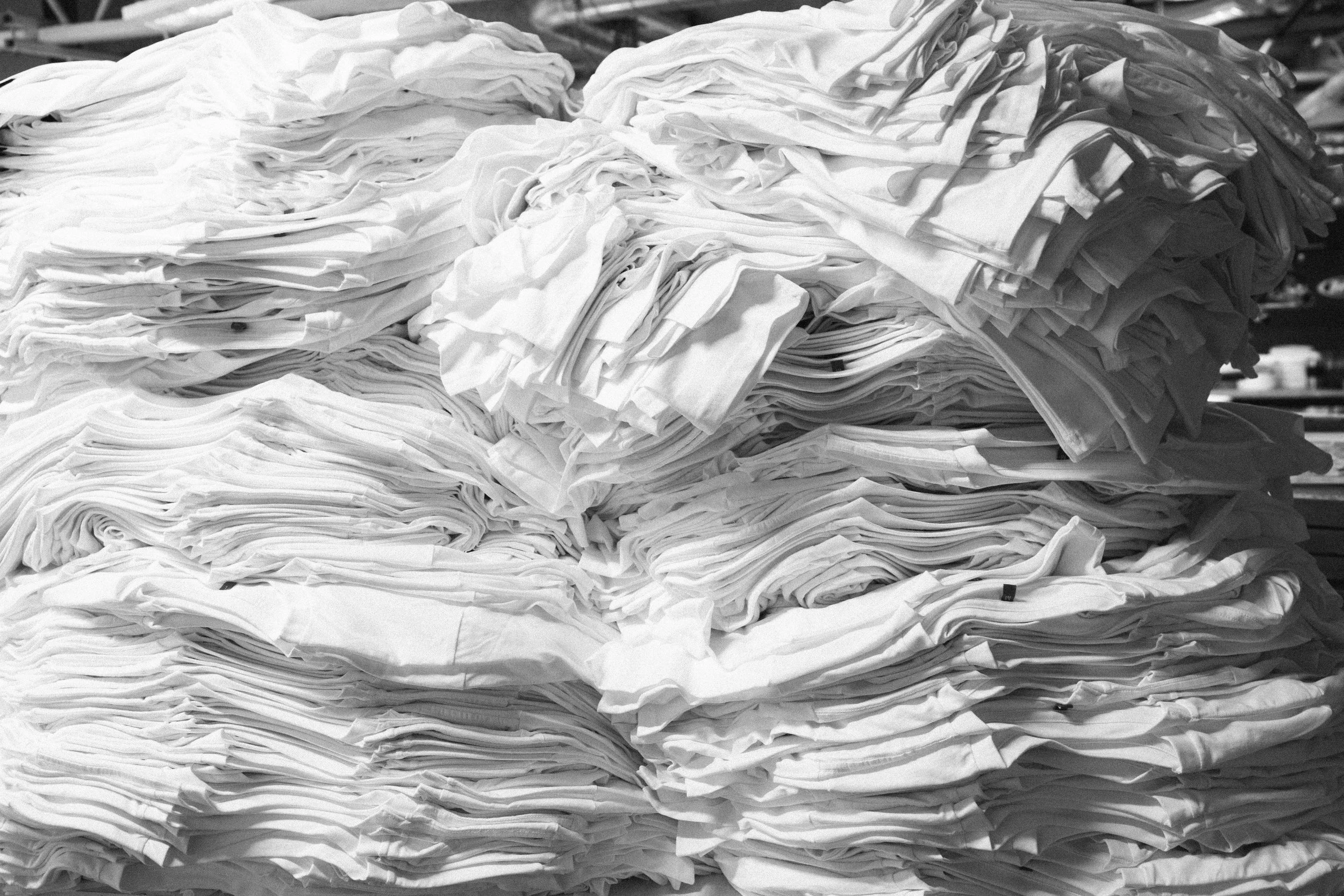
Organic cotton garments awaiting production. Building sustainability begins long before the first print is applied.
Why DPP?
Looking at textiles, most people don't know much beyond what's printed on the care label.
There is no dye information, which is traditionally toxic and uses and wastes a lot of water.
No manufacturing information, where was it made, does the product contain restricted chemicals?
Yes, these can be found in clothing.
There is no recycling or repair information.
And nothing about how much carbon was produced when making it.
Up till now all that has been required are garment care labels. Wash cold, no tumble dry, fire warnings.
It’s the beginning of the end for greenwashing. “Made sustainably” is no longer going to cut it.
People, Product, Profit
This is how it should be.
We’re nowhere near, sadly. But these regulations walk us toward a circular future where ending fashion waste is an outcome.
It’s not just textiles, steel, batteries and iron are in the priority groups. If you’ve been reading this blog from the start, you’ll know Ive been bitching about low quality products built to last a year for as long as I’ve been building.
We are a long way from the kind of future I would love to see, where every product has been designed for its entire life cycle. This is where it starts.
What happens next?
Testing.
Phased rollout.
At the time of writing, the DPP regulations have only impacted very large producers.
Large producers are now prohibited from destroying their unsold textiles and footwear.
Early days
As with all new regulations, there will probably be challenges along the way.
Like what to do with the 30% of clothing that doesn’t get sold.
You can see the changes already, a large fashion retailer here in the UK has been advertising the same green dress for the past two months. Now it’s all about re-wear, reuse, recycle.
When I started Mongrel Logic, I wasn't trying to follow regulation. I was trying to build a better way of making products. Seeing circularity become part of legislation feels like confirmation that the industry is finally moving in the right direction.
We're still at the beginning. But for the first time in a long time, it feels like fashion is being asked to think beyond the point of sale.
The Story Behind Our Art: Building the Mongrel Logic™ Universe
Some of the artwork in our Core range was first drawn in the 90s. This is how old sketches evolve into sustainable streetwear and how the Mongrel Logic™ universe builds from the archive outward.
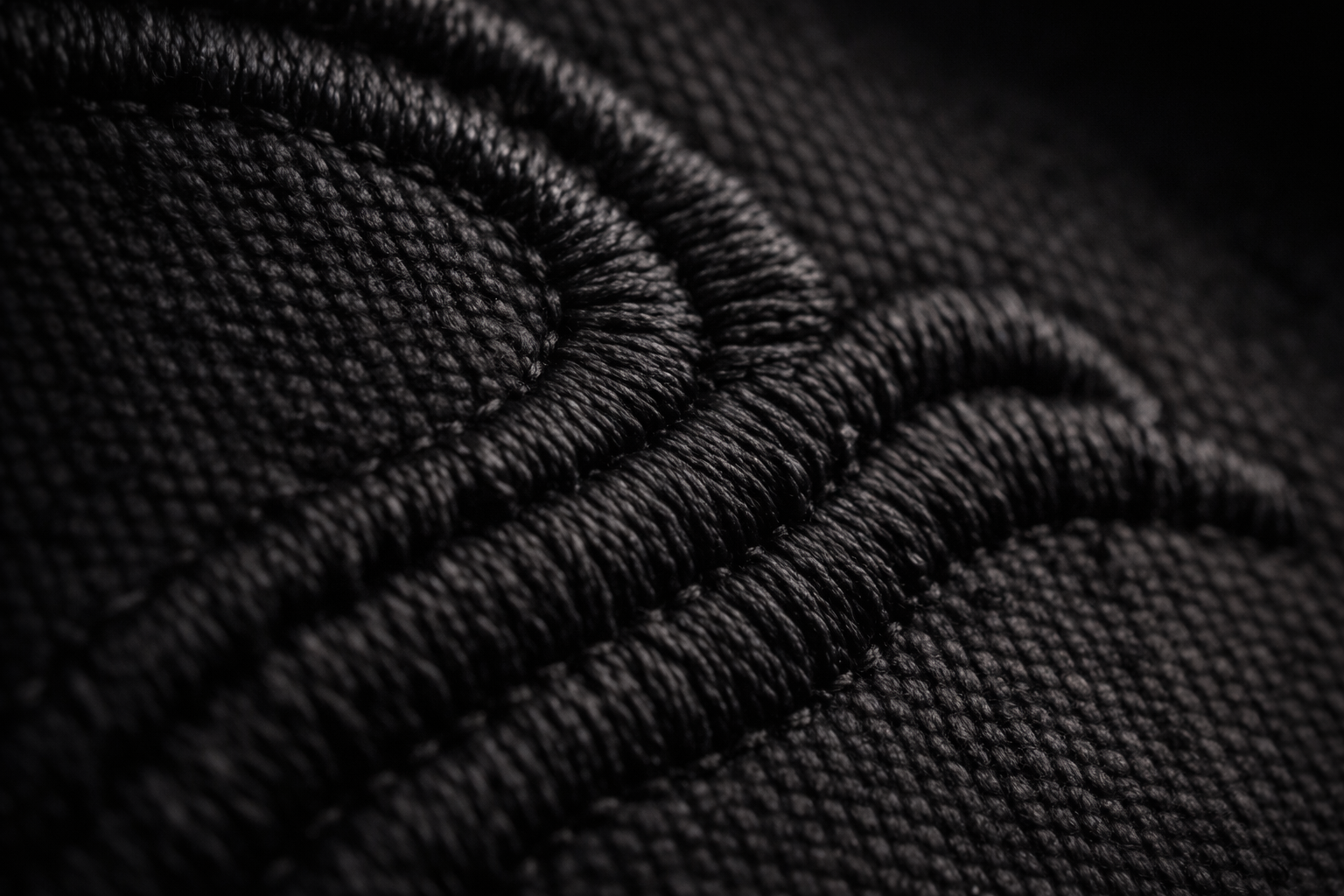
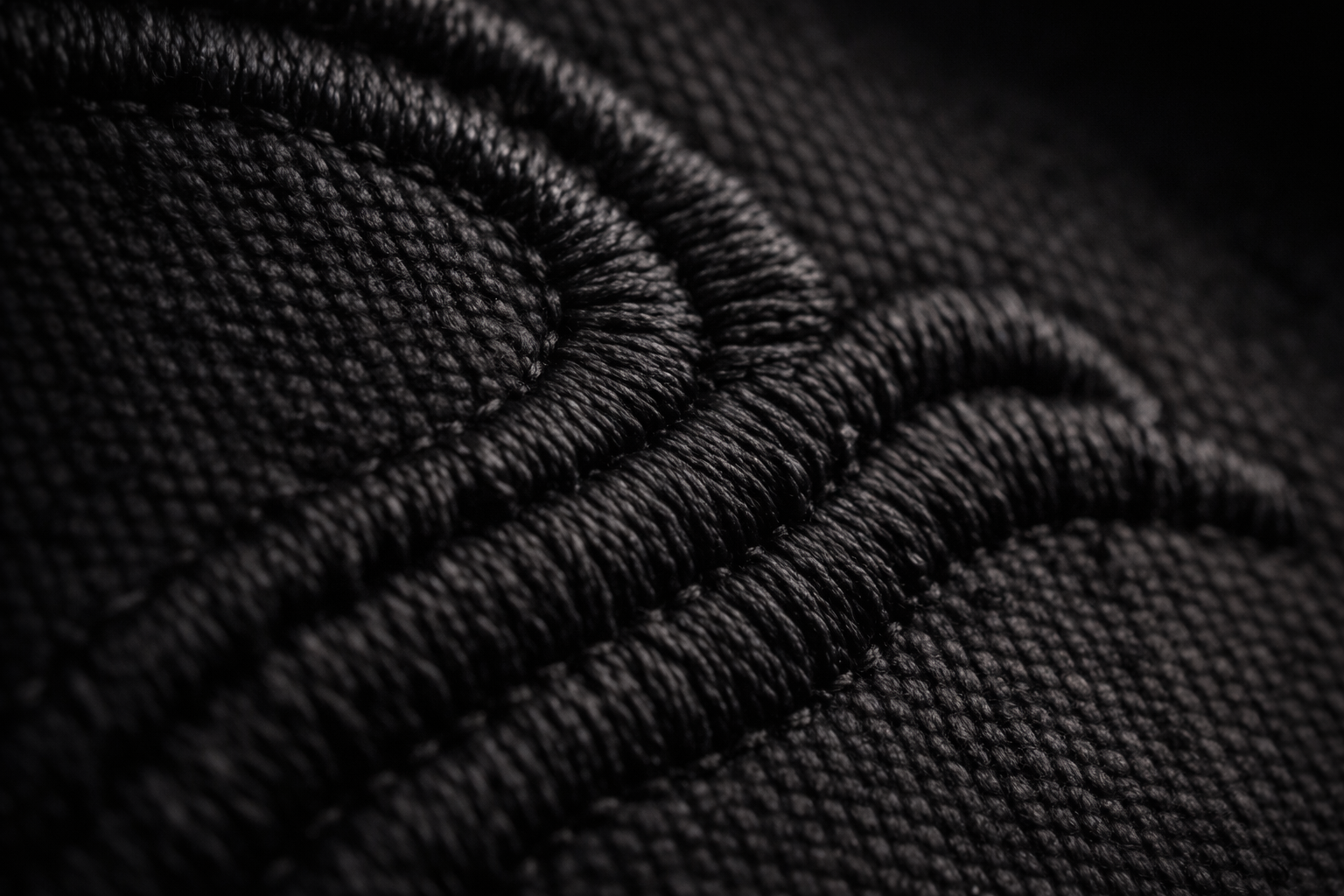
Original lines, translated into thread. The archive, made tangible.
Mongrel Logic didn’t begin as a product line. It began with drawings.
Some of the artwork in our Core range was drawn in the 90’s and early 2000s. Long before hoodies and brands. In fact, what kicked this all off was drawing the embroidery for our Signature cap, more on that another day.
Flaws are as important as perfection.
Keeping the art close to its original form matters, not polishing away the awkwardness, not correcting every detail. Letting the lines stay human. Time will tell if the idea is sound or not. Re-working drawings without erasing where they came from, and building them a future, has been one of the most satisfying parts of all of this.
We are ‘the’ weirdos, mister.
I’m not apologising for it. Art has informed everything from the design of the first cap to the current development of the designer range. Testing art on textiles is the most fun I’ve had in years. Watching something once trapped in a notebook move into fabric feels like unlocking a small universe.
Art is the foundation. Form is the future.
Using my antique, vintage, almost cave-era drawings gives us a clear starting point. Not everyone understands the purple weird monster immediately, that’s fine. It’s supposed to be fun. It’s supposed to feel slightly unfamiliar. It isn’t made for everyone.
Serious comes next.
Right now, it lives simply. A sweater. A graphic. A familiar softness. I put on my own Logic Descends sweatshirt and feel the soft fabric settle. The drawing sits there quietly, carrying two decades of history with it.
This is how the universe builds.
From the archive outward. From the monsters under my bed, to the fabric you can’t say no to.